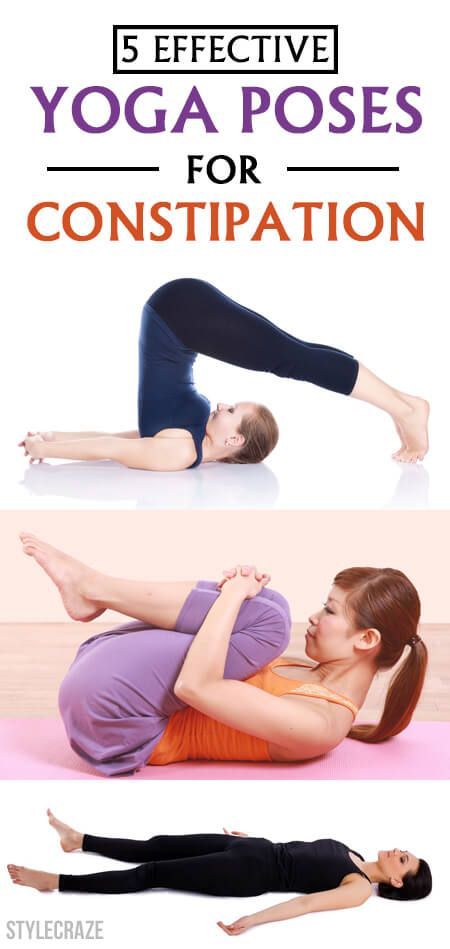
The term constipation may have a different meaning from person to person. The frequency of a bowel movement varies considerably among people, ranging from 1-3 times/day to once in 3 days. Therefore, it is difficult to have a precise definition for constipation that would stand true for all. Thus, constipation is generally described as having fewer than three bowel movements a week. It also means passing stools very infrequently, passing hard stools, or having any kind of difficulty in evacuating the bowel. Though occasional constipation is very common, some people experience chronic constipation that can interfere with their ability to go about their daily tasks. Typically lasting for more than several weeks, chronic constipation can cause significant pain and discomfort and affect one’s quality of life.

Sushrut Piles Fistula Hospital is a certified centre of excellence for Proctology treatment providing avent grade treatment for Piles, Fissure, Fistula, Constipation, Rectal abscess & Pilonidal Sinus care. With 3 Hospitals In India . recognised Doctors and state of the art facilities to provide holistic treatment for treating anorectal disorders.
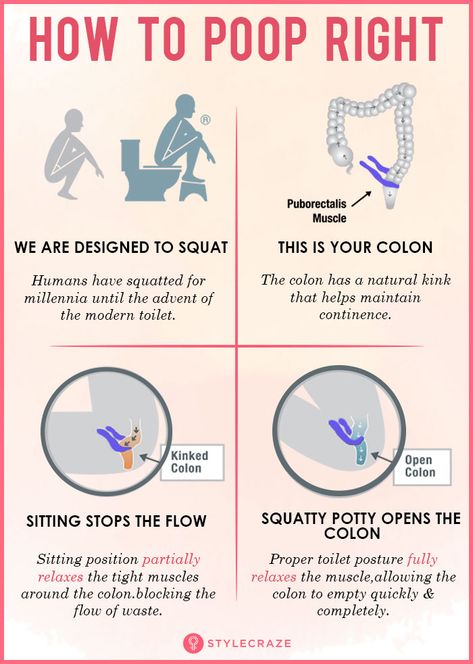

Treatment of constipation

With a tagline – ‘SAY NO TO SURGERY’- MCDPA is the idea of Dr Ekta Patel, who has dealt with thousands of patients of piles and chronic constipation. He noticed that a lot of these patients do not need to go under the knife. What is needed in these cases is a conservative approach along with lifestyle modifications. With these observations he formulated a treatment technique he labelled MCDPA ( Medicines-Constac-Diet-Physiotherapy-Ayurveda ). It is a pioneering amalgamation of modern science, age-old Ayurveda and Pelvic Floor Physiotherapy, which ensures a multipronged attack on the disease, effectively increasing possibilities of a satisfactory cure. Emphasis on approved scientific treatments and all round care of the patient is the basis of MCDPA.

A QUICK GLIMPSE OF MGDPA

M-Medicines: Probiotics are micro-organisms ( bacteria and yeast ) that our beneficial to the health of the gut. It has been found that a decrease in the count of these healthy gut bacteria may be a cause of constipation and hence, a short course of probiotic supplement may be given

G-Gutsafe: Ayurvedic medicines can be wisely used to treat conditions like constipation, sans the side effects that Allopathic medicines often have. Extensive research from ourteam comprising of Ayurvedic doctors enabled us to formulate purely herbal products, They are given under the guidance of doctors and are extremely safe.

D-Diet: A diet rich in fiber aids in formation of stools and is the backbone of any constipation treatment. Our nutritionists will guide you in formulating a diet that suits your lifestyle and culture.

P-Pelvic Floor Physiotherapy: This is aimed at strengthening the muscles of the pelvic region as they play an important role in evacuation of stools. Many a time, especially in females, the weakened pelvic floor muscles are the major cause of the constipation. The exercises are taught by a Physiotherapist.

A-Ayurvedic therapy:This includes Basti which is an Ayurvedic oil enema therapy. It is one of the components of the highly revered Panchakarma therapy of Ayurveda. It helps in relaxing the rectal muscles and anal sphincter.

BIOFEEDBACK

Biofeedback is basically done to regain control over the rectal muscles. As discussed earlier, in chronic constipation, especially in Obstructed Defecation Syndrome, impaired rectal muscle function is an important causative factor leading to difficulty in expulsion of stools. In this non-invasive treatment, a probe is inserted into the rectum and the muscle activity is monitored on a computer screen. A physiotherapist will then guide you and train you to improve your defecation effort.


Causes of Constipation

Constipation basically occurs when the waste matter moves very slowly through the large intestines, causing it to become hard and dry.

Some of the common causes of constipation include:

  • A diet that is poor in fiber ( fruits, vegetables, cereals )
  • A change in your routine or lifestyle, such as a change in your eating habits
  • Ignoring the urge to pass stool ( common in children )
  • Not drinking enough fluids
  • As a side effect of certain medications ex. Iron supplements, anti-depressants
  • Sedentary lifestyle, lack of exercise
  • Pregnancy – The female hormone Progesterone causes the muscles of the intestines to relax, making the peristaltic movements sluggish.
  • Obesity
  • Inflammatory Bowel Syndrome ( IBS )
  • Constipation is one of the symptoms of dysbacteriosis — a condition where the normal, intestinal flora is dead and missing
  • Hormonal problems like Hypothyroidism

Lastly, constipation may be functional, caused by Obstructed Defecation Syndrome ( ODS ), a relatively common cause that can now be diagnosed with newer tests like MRI Defecography ( MRD ).

Other more serious conditions that may cause constipation include:

    • Bowel cancer
    • Crohn’s disease
    • Spinal cord injuries / diseases

Symptoms of Chronic Constipation

  • Less than three bowel movements per week
  • Straining more than 25% of the time
  • Hard and lumpy stools more than 25% of the time
  • Feeling of incomplete evacuation more than 25% of the time
  • Stomach ache and cramps
  • Feeling of bloating
  • Feeling of fullness with loss of desire to eat, nausea
  • Extremely foul smelling feces and flatulence
  • Needing help to empty your rectum, such as using your hands to press on your abdomen or using a finger to remove stool from your rectum

Transient episodes of constipation are fairly common and should not be a reason to worry. However, its best to take an expert opinion when symptoms last for more than 3 weeks.

Kindly note that if you have worsening nausea and repeated vomiting or if abdominal pain becomes severe and constant,you should seek immediate help.

Also, if constipation is associated with a change in stool size – narrow like a pencil or ribbon, change in frequency, or if any blood is seen from the rectum, consult a doctor immediately.

Diagnosis of Chronic Constipation

  • Although diagnosis of constipation is pretty straightforward, investigations may be required to evaluate the underlying cause in case of chronic cases. Thus, after a detailed history of your bowel habits and general health and lifestyle, your doctor may consider getting one or few of the following tests done:

    • Rectal examination or Proctoscopy 

      – This may be done either with a lubricated gloved finger or using an instrument called Proctoscope.
    • Colonoscopy 

      – This test is frequently performed to investigate the lower part of the bowel. During the test a long flexible tube with a light and camera at the end is passed through the anus. It allows the doctor to directly visualize the insides of your bowel on a screen.
    • Anal Manometry 

      – In this test a small device is inserted into your rectum and attached to a machine that measures pressure readings, as you squeeze, relax and push your rectum muscles. This gives an idea of how well the muscles and nerves in and around your rectum are working.
    • MRI Defecography 

      – Magnetic resonance imaging ( MRI ) defecography is a non-invasive test that uses magnetic resonance imaging to obtain images at various stages of defecation to evaluate how well the pelvic muscles are working and provide insight into rectal function. It is used to help determine the cause of fecal incontinence, constipation, and other conditions such as pelvic organ prolapse that may interfere with a person’s ability to pass stool.
    • Blood tests 

      – Thyroid function tests, Serum B12, Serum D3, Serum Calcium
    • Food intolerance test

Complications of chronic constipation

  • Transient episodes of constipation do not cause any serious complications. However, chronic constipation may lead to certain sequelae:

    • Haemorrhoids 

      – Long term straining causes the veins of the pelvic floor to swell, lose elasticity and become tortuous. These Haemorrhoids aka piles typically cause bleeding during defecation.
    • Fissure-in-ano/Anal fissure

       – Hardened stools may cause tiny tears in the delicate skin around the anus which makes passing stools extremely painful, and further aggravates constipation.
    • Rectal prolapse 

      – Straining to have a bowel movement over a long period of time, can cause a small amount of the rectum to stretch and protrude from the anus.
    • Fecal impaction 

      – Chronic constipation may cause an accumulation of hardened stool that gets stuck in the intestines, particularly in the elderly. If severe and prolonged, fecal impaction can lead to colonic perforation.
    • Chronic constipation sufferers also are at risk of developing a sigmoid volvulus, or ‘twist’ of the colon
    • Constipation affects one’s quality of life, causes stress, and diminishes overall sense of well-being. These things tend to self-perpetuate, and profoundly affect the cardiovascular, endocrine, and immune systems.

Obstructed Defecation Syndrome ( ODS )

  • Obstructed Defecation Syndrome ( ODS ) is an inability to smoothly evacuate stools out of the rectum.This means that there is no malfunction in the digestive process and stools are formed normally. But the problem lies at the last stage i.e. excretion of the stools. It is believed that ODS is a result of an anatomical abnormality of the pelvic organs. An improper functioning of the muscles involved in defecation process is another cause. ODS accounts for almost 30-50% cases of Chronic Constipation.It is usually found in women due to nerve damage as a result of childbearing.

    The most common symptom of a person suffering from ODS is incomplete evacuation. They typically complain of a feeling that something is left behind in the rectum after passing stools. Other symptoms include:

    1. Passing hard fragmented / lumpy stools
    2. Straining during defecation
    3. Feeling of heaviness
    4. Need for manual maneuvers to assist evacuation
    5. Laxative abuse

    The diagnosis is confirmed with MRI Defecography

Frequently asked questions

Constipation occurs when the waste matter becomes very hard and dry that it passes very slowly through the intestines. So you can cure constipation by following these methods:

  • Drink plenty of fluids
  • Eat fiber rich diet
  • Do regular physical activities.
  • Don’t ignore the urge to pass stools.
  • Avoid sedentary lifestyle.

    If you face difficulty in passing stools for more than a week then you must consult gastroenterologist.


The doctor must be consulted in case of following symptoms:

  • Less than 3 bowel movements per week.
  • Bleeding while passing stools.
  • Stomach ache or cramps.
  • Nausea or vomiting

We develop & create quality care

Address

Center 1 :-

Kailash Sagar Complex , Above SBI Bank Road Number 5 Sector 22 Near Gh-5 circle, Gandhinagar, Gujarat

Center 2 :-

Sushrut Hospital, First Floor, near Gayatri Temple, Mansa, Gandhinagar, Gujarat

Center 3 :-

Orbit Mall, D block 301-306, Reliance circle, Sargasan, Gandhinagar, Gujarat.

Copyright © 2023 thepilesexpert.com